Content options
How the Iran–US Conflict Could Impact Global Oil Prices
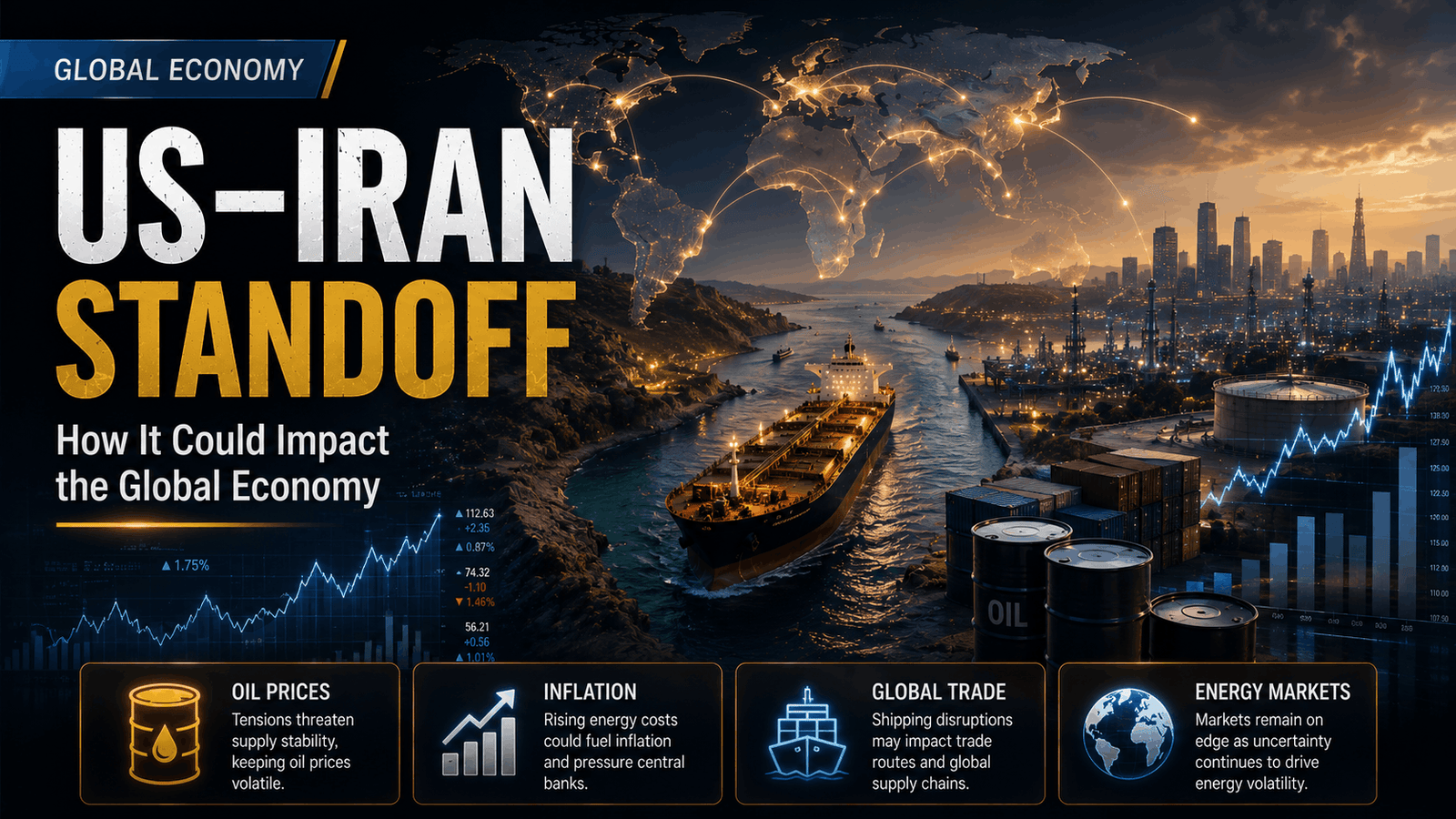
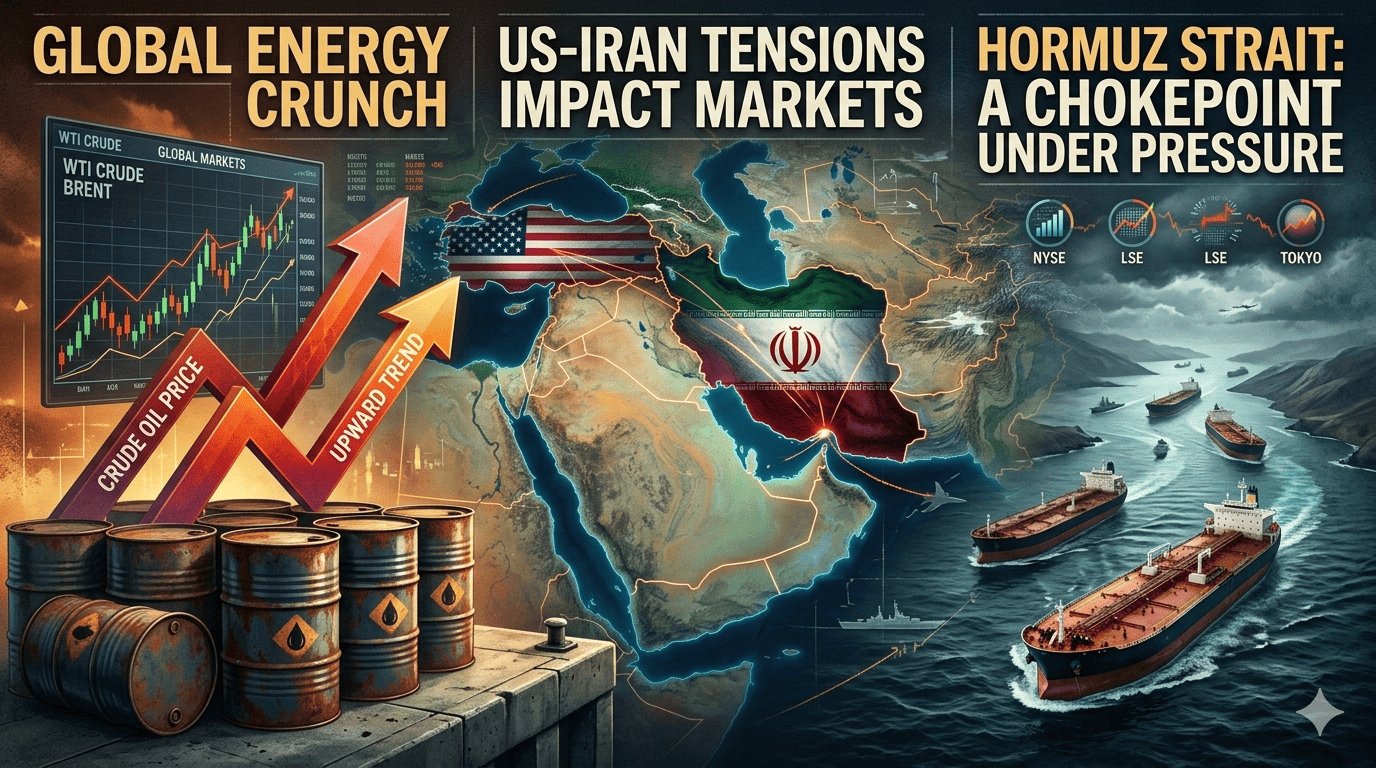
Global oil markets are extremely sensitive to geopolitical tensions, and the escalating conflict between Iran and the United States has once again placed energy markets on edge. When tensions rise in the Middle East—home to some of the world’s largest oil reserves—oil prices tend to surge due to fears of supply disruption.
Recent developments have already caused volatility in energy markets, highlighting how deeply global oil prices depend on political stability in the region.
Why the Middle East Matters for Oil Markets
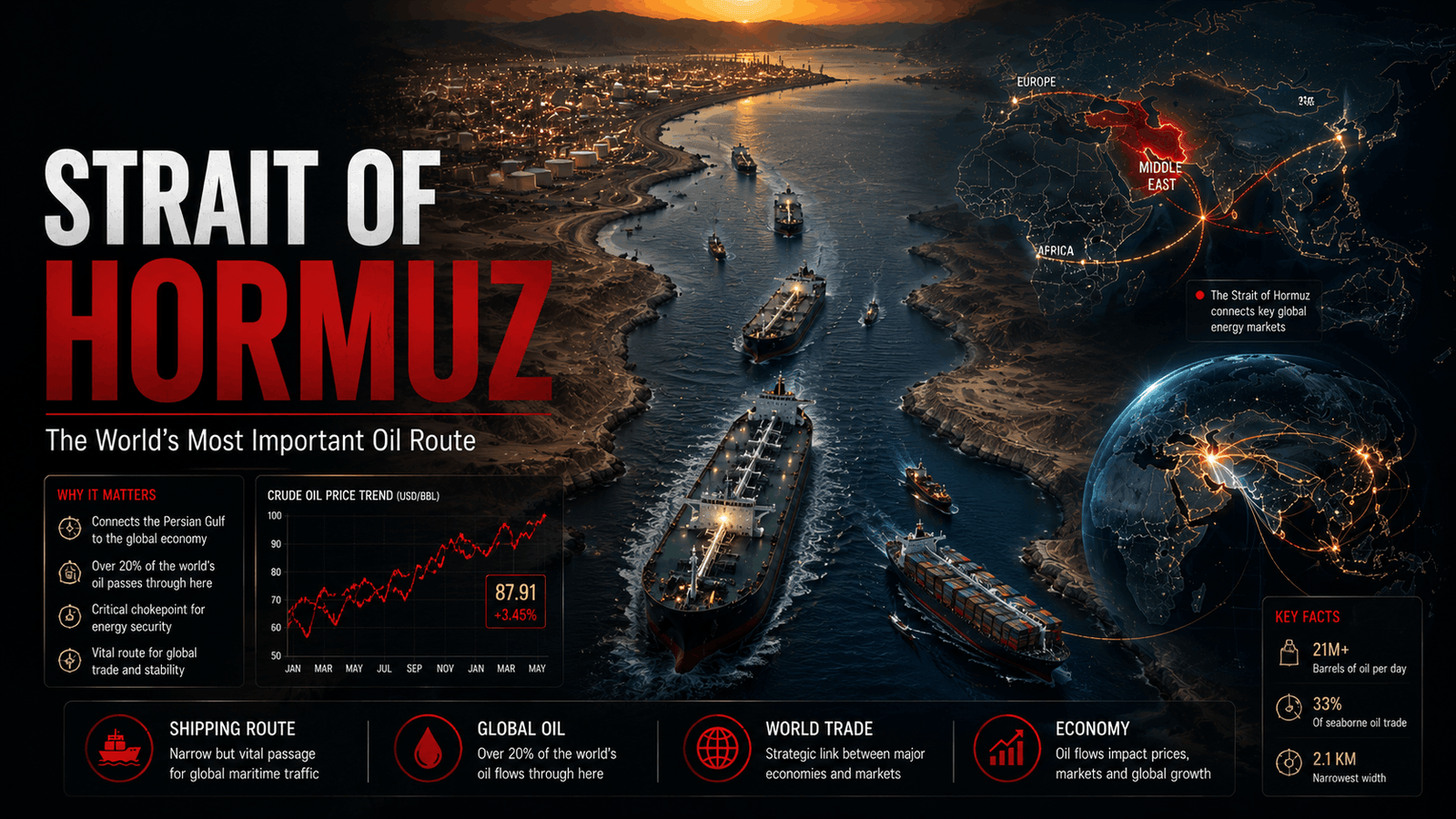
The Middle East is responsible for a significant share of the world’s oil production and exports. One of the most critical routes for global energy supply is the Strait of Hormuz, a narrow maritime passage through which roughly 20% of the world’s oil supply passes every day.
If conflict escalates and shipping through this route is disrupted, the impact on global oil supply can be immediate and severe.
In the current crisis, shipping traffic through the Strait has reportedly dropped dramatically, with oil tankers avoiding the area due to security risks. This has already pushed oil prices higher in global markets.
Immediate Impact on Oil Prices
Oil prices often react instantly to geopolitical risks. After the recent escalation between Iran and the United States, Brent crude oil surged above $80 per barrel, marking one of the sharpest increases in recent months.
Several factors are driving this price surge:
-
Fear of disrupted oil shipments
-
Attacks on oil infrastructure
-
Increased shipping and insurance costs
-
Panic buying and speculative trading
Markets are pricing in the possibility that the conflict could escalate further, threatening long-term oil supply.
The Strait of Hormuz: The World’s Most Critical Oil Chokepoint
The Strait of Hormuz is often called the most important oil transit chokepoint in the world. Around 20 million barrels of oil per day pass through this narrow corridor connecting the Persian Gulf to global markets.
If Iran blocks or disrupts traffic in this area:
-
Oil exports from Saudi Arabia, UAE, Iraq, and Kuwait could be severely affected
-
Global oil supply could drop rapidly
-
Energy prices could spike dramatically
Some analysts warn that if the disruption continues, oil prices could rise to $100 per barrel or even higher.
Global Economic Consequences
Rising oil prices affect much more than the energy sector. They have ripple effects across the entire global economy.
1. Higher Inflation
Oil is a key input for transportation, manufacturing, and logistics. When oil prices rise, the cost of goods and services increases worldwide.
2. Increased Transportation Costs
Airlines, shipping companies, and logistics firms face higher fuel costs, which are often passed on to consumers.
3. Economic Slowdown
Higher energy costs can reduce consumer spending and slow economic growth.
In fact, economists warn that prolonged conflict could push inflation higher and negatively impact economic growth globally.
Impact on Countries Like India
Countries that import large amounts of oil are particularly vulnerable.
India imports over 80% of its crude oil, meaning rising global prices directly affect:
-
Petrol and diesel prices
-
Inflation and cost of living
-
Government fuel subsidies
-
Trade deficit
If oil prices continue rising, consumers may see higher fuel prices and transportation costs.
Possible Scenarios for Oil Prices
1. Short Conflict (Limited Impact)
If tensions ease quickly, oil prices may stabilize after a temporary spike.
2. Prolonged Conflict
Extended disruptions in oil supply could push prices toward $100 per barrel or more.
3. Strait of Hormuz Closure
A complete shutdown of the strait could cause an extreme oil shock, potentially driving prices even higher.
Some warnings suggest prices could theoretically reach $150–$200 per barrel in worst-case scenarios.
Final Thoughts
The Iran–US conflict highlights how closely global oil markets are tied to geopolitics. Even the possibility of disrupted supply routes can trigger sharp price movements.
As long as tensions remain high in the Middle East, oil markets will likely stay volatile. For countries dependent on energy imports, the situation underscores the importance of diversifying energy sources and investing in alternative energy solutions.
In today’s interconnected world, a regional conflict can quickly become a global economic challenge.